Business
China’s average school day is 2 hours longer than the U.S., with all studies and no extracurriculars. The results could help it win the AI race

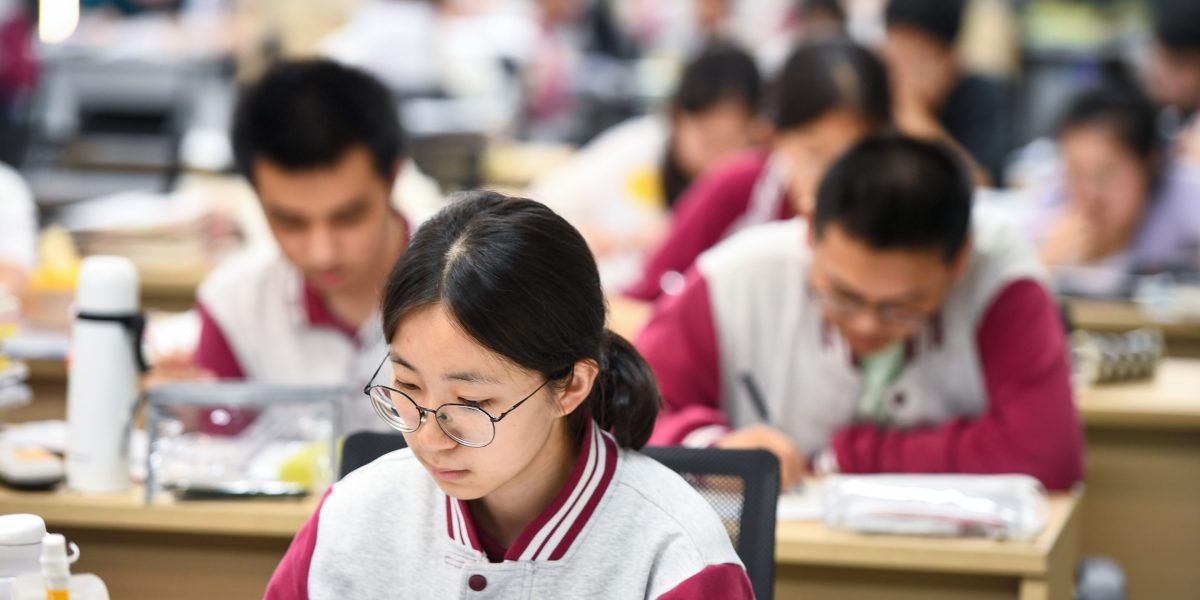
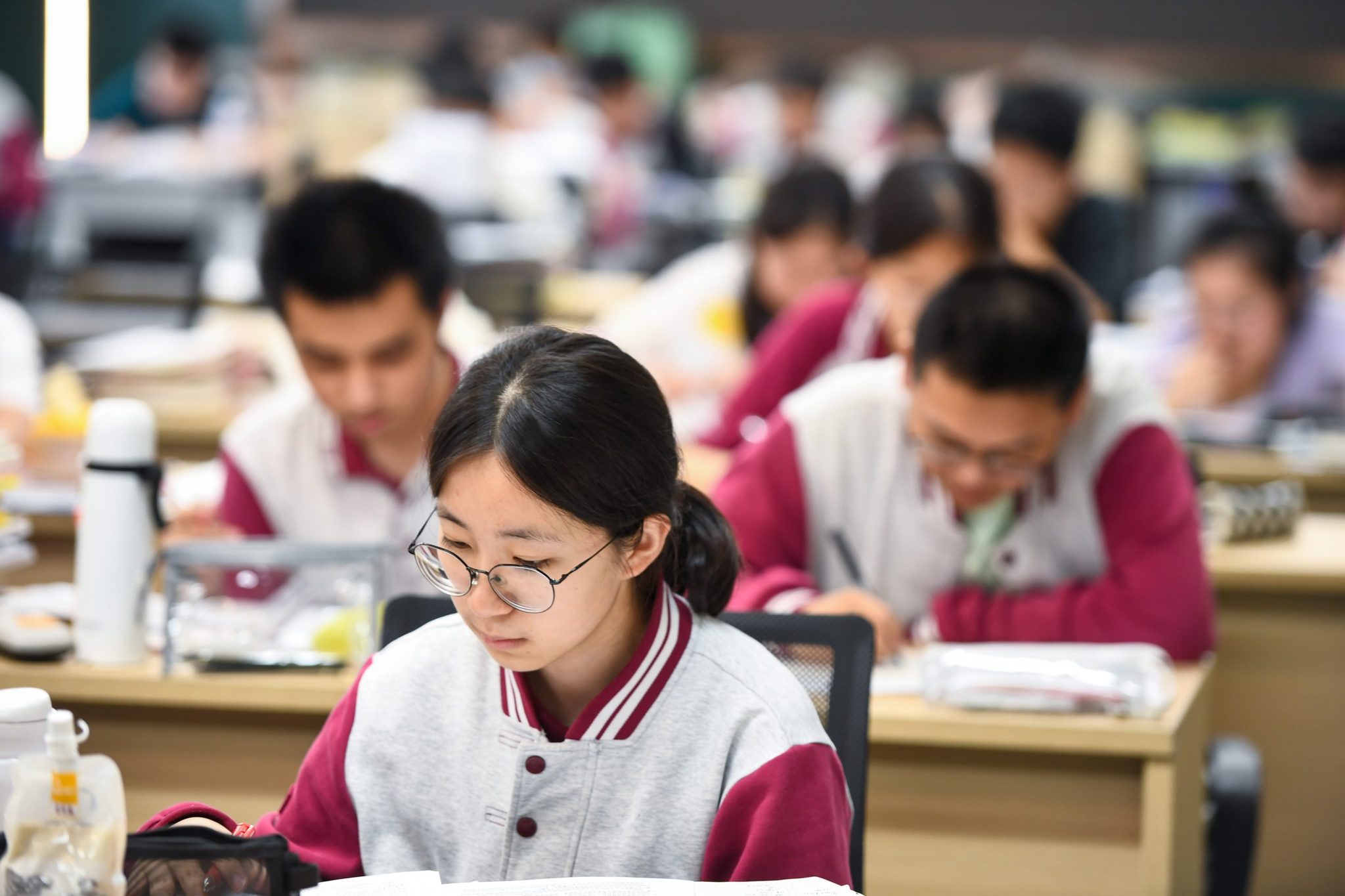
The U.S. and China’s rivalry isn’t just ramping up in trade or technology—it’s playing out in the classroom.
In China, long school days and relentless study habits are the norm. One father, Ray Liu, captured the intensity in a now-viral TikTok video showing him picking up his 13-year-old daughter from school late at night.
“Hi guys, it’s 8:30pm, let’s go pick up Cindy together,” 42-year-old Ray Liu said. “She went to school this morning at 7 a.m., so she stayed at school for about 14 hours.”
China’s education system prioritizes extended instruction, discipline, and constant testing. It’s common for students to spend more than 10 hours a day in class—followed by homework, tutoring, and preparation for the high-stakes college entrance exam.
“It has always been this way,” Ray told The Daily Mail. “When I was in middle school, I also spent 14 hours a day or even more at school.”
Now, as a parent, he admitted the pressure can be overwhelming. “It affects their physical and mental health,” he said, noting that families often accept the stress as the cost of upward mobility.
“Every student must take the college entrance exam to get into university, and most Chinese parents believe that getting into a good university is the only way to secure a good job and live a happy life,” Ray added.
By contrast, American students typically start their days between 7 a.m. and 9 a.m. and finish by mid-afternoon. After-school activities exist—but they’re optional. Homework expectations are lighter, and the cultural emphasis is more on balance and exploration than on exam performance.
China’s 15-year-olds significantly outperform those in the United States in mathematics on the most recent international comparisons, with a gap of roughly 85–90 points on PISA 2022 (China ~552 vs. U.S. ~465), placing China among the global leaders and the U.S. below the OECD average in math performance.
China could win the AI race—starting in the classroom
The educational rivalry between the U.S. and China may ultimately determine who leads the world into an AI-driven future.

This fall, primary and secondary schools across Beijing began offering at least 8 hours of AI classes each academic year—enabling students as young as 6-year-olds to learn the foundations of technology, how to use chatbots, and the ethics of AI.
The U.S., by contrast, lacks a unified national plan for AI education. In April, Trump signed an executive order calling for improved training in AI literacy and the integration of the technology into classrooms—but many industry leaders say it’s not nearly enough.
More than 250 executives, including Microsoft’s Satya Nadella, Airbnb’s Brian Chesky, and Uber’s Dara Khosrowshahi, signed an open letter in May urging U.S. lawmakers to make computer science and AI education mandatory for every U.S. student.
“In the age of AI, we must prepare our children for the future—to be AI creators, not just consumers,” the letter read. “A basic foundation in computer science and AI is crucial for helping every student thrive in a technology-driven world. Without it, they risk falling behind.”
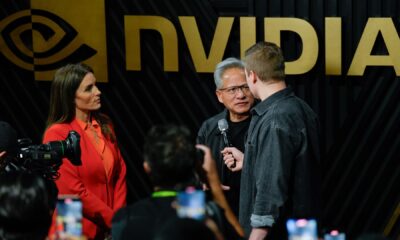
Even those at the center of the AI boom are sounding alarms. Nvidia CEO Jensen Huang warned in an interview with the Financial Times that China “will win” the AI race if the U.S. fails to invest more aggressively in education and innovation. While Nvidia later clarified his comments with a softer statement, the message was clear: the competition isn’t just about chips or data centers—it’s about who trains the next generation to build what comes next.
Trump shifts tone on Chinese students
In May, the Trump administration threatened to “aggressively revoke” Chinese student visas, a move that many higher education leaders warned could cripple American universities reliant on international tuition revenue. But weeks later, the administration quietly backed down.
And in an interview just yesterday, Trump struck a different tone—acknowledging that it’s beneficial for U.S. universities to remain open to foreign students, especially from China.
“I actually think it’s good to have outside countries,” Trump told Fox News after being asked about Chinese students’ enrollment in American universities.
If he were to restrict foreign students by half, Trump said that “you would half the colleges in the United States go out of business.”
University leaders feared that the administration’s repeated actions against international students—from visa restrictions to travel bans—would drive enrollment down. But new Department of Homeland Security data shows resilience: as of October, there are still 1.3 million students in the U.S. with active visas, a decline of less than 1% from last year, the Washington Post reports.