Business
For Gen Z, quiet luxury is dead—they’re packing lunch at home while shelling out on conspicuous consumption

When economist Thorstein Veblen coined the term “conspicuous consumption” in 1899, he was describing a new kind of social display: one where people bought goods not out of need but as “trophies of success.” To Veblen, the emerging “leisure class” proved its superiority not by labor or contribution but by its seeming exemption from work and its power to waste. The middle class, desperate to prove this distinction too, would spend an outsized portion of their income on glimmering dresses and other purchases meant to be seen by others.
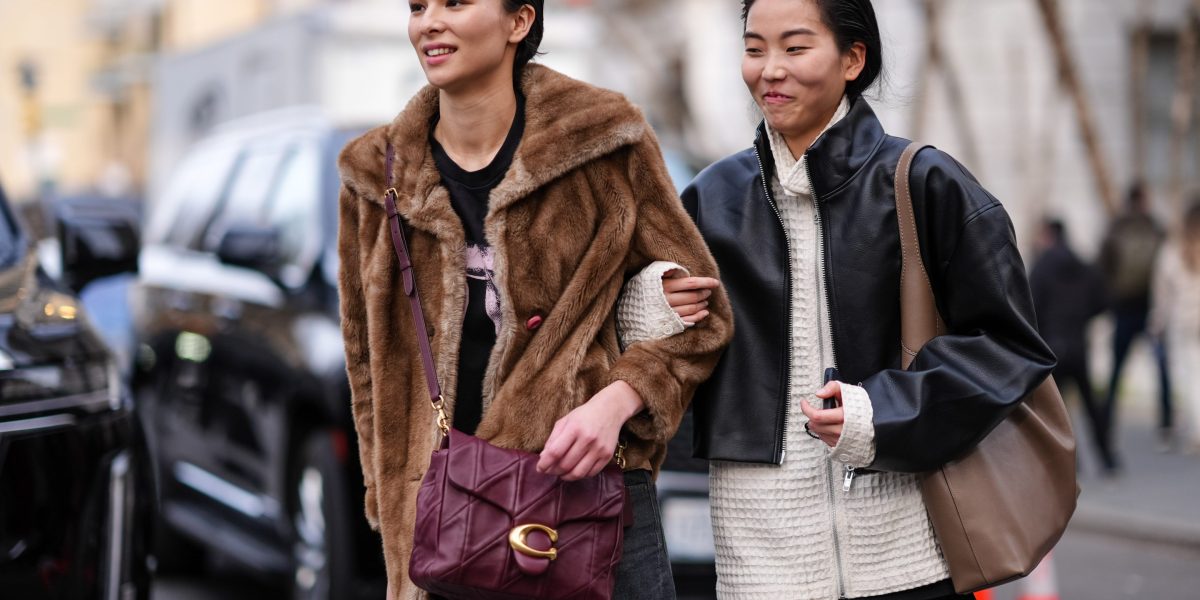
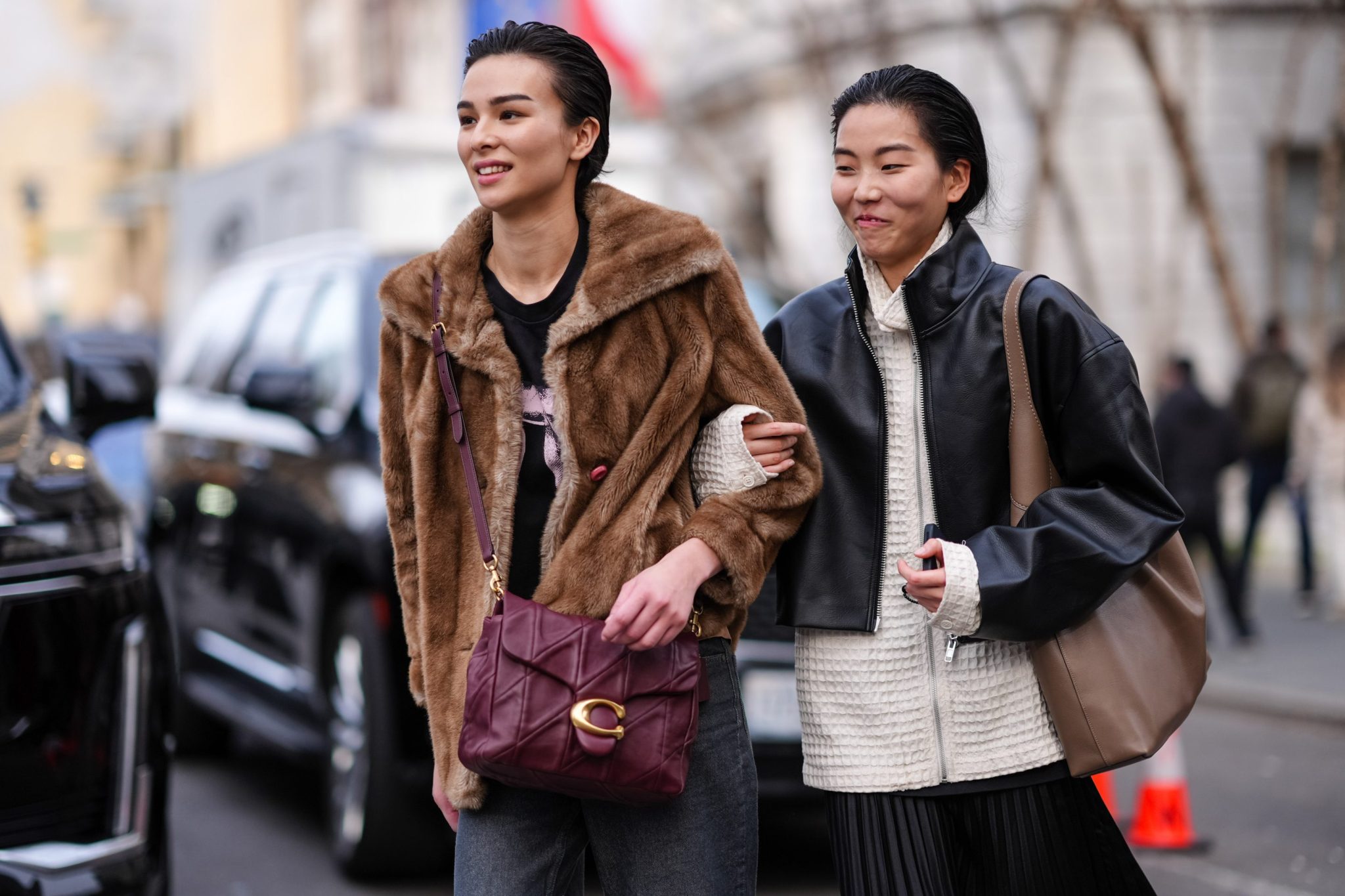
More than century later, Veblen’s theory hasn’t disappeared. But younger shoppers are increasingly cutting back on small daily indulgences while redirecting those savings toward statement pieces. Chipotle and Cava both reported weaker sales this fall, blaming a slowdown among younger diners who are packing lunches instead. Yet Tapestry—the parent company of Coach—said Gen Z now accounts for roughly 35% of its new customers, helping the brand beat Wall Street expectations and raise its full-year forecast.
“We’re attracting younger consumers at a faster pace,” CEO Joanne Crevoiserat told CNBC. “The Gen Z consumer is highly fashion-engaged, spending slightly more of their budget on fashion.”
This new spending pattern resembles what Veblen once called “vicarious leisure,” displaying discernment rather than wealth. A $400 Coach tote bought instead of a week of takeout lunches becomes both reward and reassurance: proof of self-control and style all at once.
Another example would be the resurgence of Christian Louboutins, the fire-truck-red stilettos once synonymous with 2000s power dressing. Sales on resale sites like The RealReal have surged 82% among new Gen Z buyers, according to the New York Times, driven by influencers like Addison Rae. For many young women, the stiletto’s discomfort is part of the appeal, offering proof that effort and glamor remain in an age of casual sneakers. The red sole is a visible pain endured for the privilege of being seen enduring it.
It’s not just the women. Gen Z men have embraced luxury Swiss watches as status symbols, posting them on TikTok and Instagram. Sotheby’s estimated nearly a third of its watch sales in 2023 went to buyers age 30 and under, giving them priceless social currency.
Affordable opulence
A report last month from Boston Consulting Group and WWD found that Gen Z and Gen Alpha, who are 1 to 13 years old today, will drive more than 40% of U.S. fashion spending in the next decade. They already spend 7% more of their discretionary income on clothing and shoes than older adults.
The shift is visible on social media. On TikTok, “Ralph Lauren Christmas” has become this year’s aspirational aesthetic: plaid ribbons, outsized candlesticks, and velvet drapes recreated from dollar-store finds. Searches for the phrase are up more than 600%, and Etsy searches for related décor rose 180%. The trend captures a kind of affordable opulence, a desire to evoke the elegance of wealth without its cost.
Younger consumers are, as Veblen might put it, performing taste with efficiency. They still pursue distinction, but the medium is creative reuse rather than cash flow.
Influencer culture has supercharged this feedback loop. What Veblen saw as the public exhibition of wealth has become the performance of aspiration, now filmed, edited, and pushed through a recommendation feed. TikTok and Instagram influencers act as both tastemakers and salespeople, offering five-minute testimonials that make luxury feel both attainable and necessary.

According to the BCG report, 65% of Gen Z consumers say social media is their primary source of fashion discovery, more than twice the share of any older generation. Nearly half report buying products directly because they saw them on TikTok or Instagram, and 40% already use AI-powered recommendation tools to compare styles and prices. The result is a generation whose spending patterns are shaped less by brand loyalty than by algorithmic suggestion.
That means the marketing never switches off; it lives on their For You pages, customized by data to spark new cravings daily. Many young consumers, already juggling high costs for food, rent, and education, and crushed by an unsympathetic labor market, are entering adulthood with the self-care budget of a socialite twice their age.
It starts remarkably young these days. Ten-year-olds are saving their allowances for $70 moisturizers and $90 serums, mimicking influencer routines meant for adults. Girls as young as eight have suffered chemical burns and rashes from overusing anti-aging products whose pastel packaging and “glow” marketing make them irresistible on TikTok. Even before adolescence, the youth themselves are performing refinement—an early initiation into the aesthetics of conspicuous consumption.
For Veblen, this constant striving was never about the goods themselves. It was about social reassurance.
“The end sought by accumulation,” he wrote, “is not consumption of goods, but the evidence of wealth.”