Business
Bill Gates got climate communication right. Let’s focus on saving lives, not spreading fear

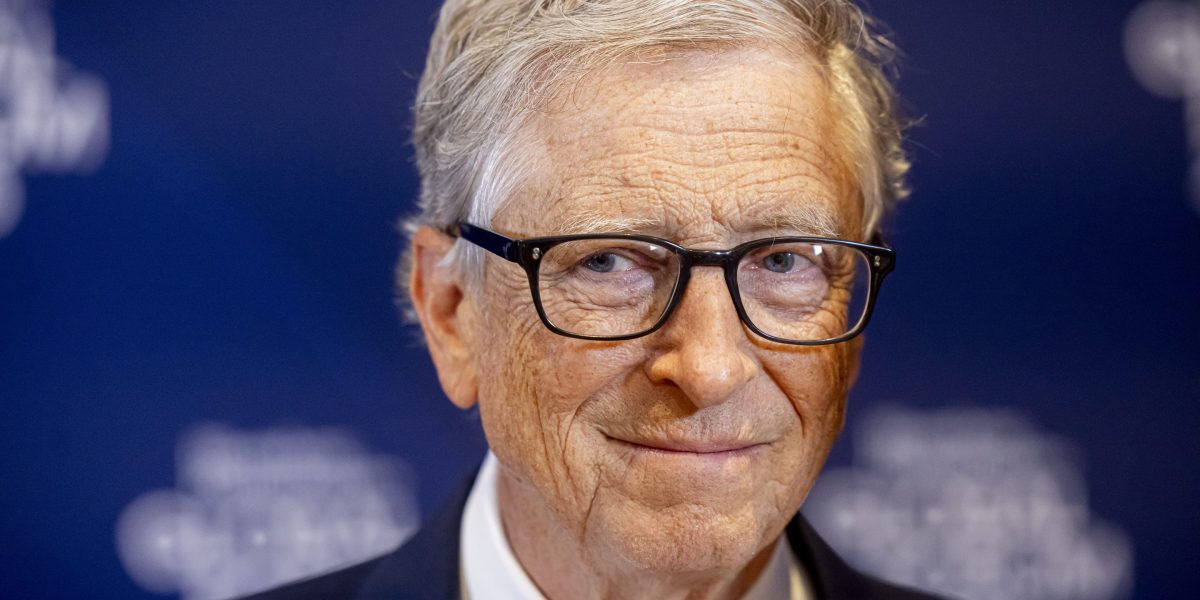

When Bill Gates published his recent open letter on climate action, critics rushed to accuse him of going soft on climate change. But the real story isn’t about retreating, it’s about redefining how we move forward. And he’s right: fear-based messaging, however accurate, has reached the limits of its effectiveness. If we want to unlock action at the scale required, we need a new narrative that brings more people along, one that doesn’t overwhelm, and instead shows people how climate solutions can enhance health, strengthen communities, and improve financial well-being.
Consider what’s happened in just the past few years. In eastern China, air pollution has fallen as a massive buildout of wind, solar, and clean energy coupled with strong air pollution policies have begun to curb reliance on coal. In Brazil, nearly 90% of electricity now comes from clean energy sources, enabling communities from São Paulo to small towns in the Amazon to power their daily lives with renewables. These aren’t isolated success stories; they reflect global action that has already pulled down our projected warming trajectory from about 4°C to closer to 2.7°C.
We’re headed in the right direction. In 2024 alone, 92% of all new electricity capacity added worldwide was from clean energy sources. That is an unprecedented 585 gigawatts that now power millions of homes and businesses. For the first time, solar energy generated more electricity than coal across the European Union. And in the United States, California’s grid achieved 100% clean power for several hours on most days so far this year – a milestone that reflects a record jump in clean energy use across the state.
This progress actually gets to the heart of Gates’s message. To build a broader coalition for climate action, we must move beyond fear-driven narratives to focus on what people value most. Gates warns that proselytizing using a “doomsday mindset” is backfiring, leading to paralysis rather than action, and starving investment in solutions that help people thrive, especially in communities most affected by climate change. Gates’ reframing is simple but powerful: measure climate action by lives improved, not just emissions reduced.
And critically, this shift must center the countries that contributed the least to climate change but are experiencing its impacts most acutely. That means elevating climate adaptation alongside mitigation — investing in resilience, food security, and health in climate-vulnerable regions. For billions of people, adapting to a warming world isn’t optional; it’s a matter of survival.
Climate solutions that put human well-being at the center create ripple effects of progress. As Gates often notes, innovation is what turns promising ideas into scalable solutions that can reach millions of people. For example, climate-smart agriculture reduces emissions while improving food security and raising farmers’ incomes. Clean energy access not only prevents millions of premature deaths from air pollution, it also drives economic growth. And investing in adaptation, from flood-resilient infrastructure to drought-tolerant crops, helps communities weather the realities of climate change while creating jobs and stability. When we frame climate action as a pathway to better lives, we bring more people into the movement and build a durable coalition to sustain long-term progress.
The investment returns behind this progress reinforce Gates’ message. Investors are pouring capital into clean energy not out of altruism, but because it delivers strong returns. Clean energy funds often generate 6%-10% IRRs, and just in the first half of 2025, global investment reached $386 billion. Profitability accelerates human impact: when clean solutions make economic sense, they scale faster and reach more people. In Kenya, the Menengai geothermal project (105 MW) is under development near Nakuru, while solar microgrids and community solar projects around Lake Victoria are expanding electricity access for rural communities. In Indonesia, the World Bank-supported ISLE-2 program aims to provide clean electricity to about 3.5 million people across Sumatra and Kalimantan, with approximately 540 MW of solar and wind capacity installed as part of a broader financing package exceeding US$2 billion. These aren’t trade-offs between climate and development, they’re mutually reinforcing investments that lift communities and cut emissions at the same time.
The enthusiasm I see among our students proves that this positive framing works. Today’s young people aren’t motivated by apocalyptic warnings, they’re energized by the expanding toolbox of climate solutions and the opportunity to play an active role in shaping a brighter future.
Gates isn’t retreating from climate urgency; he’s showing us how to sustain it. The next chapter of climate action should be fueled by possibility, not paralysis. Gates understands that the surest way to protect the planet is to improve the world we live in right now. That’s not soft-pedaling. Climate action will endure when people believe in the future it creates – and that’s the narrative we need now.
The opinions expressed in Fortune.com commentary pieces are solely the views of their authors and do not necessarily reflect the opinions and beliefs of Fortune.