Business
Gen Zers are turning to frozen food to stretch their budgets and they don’t feel good about it

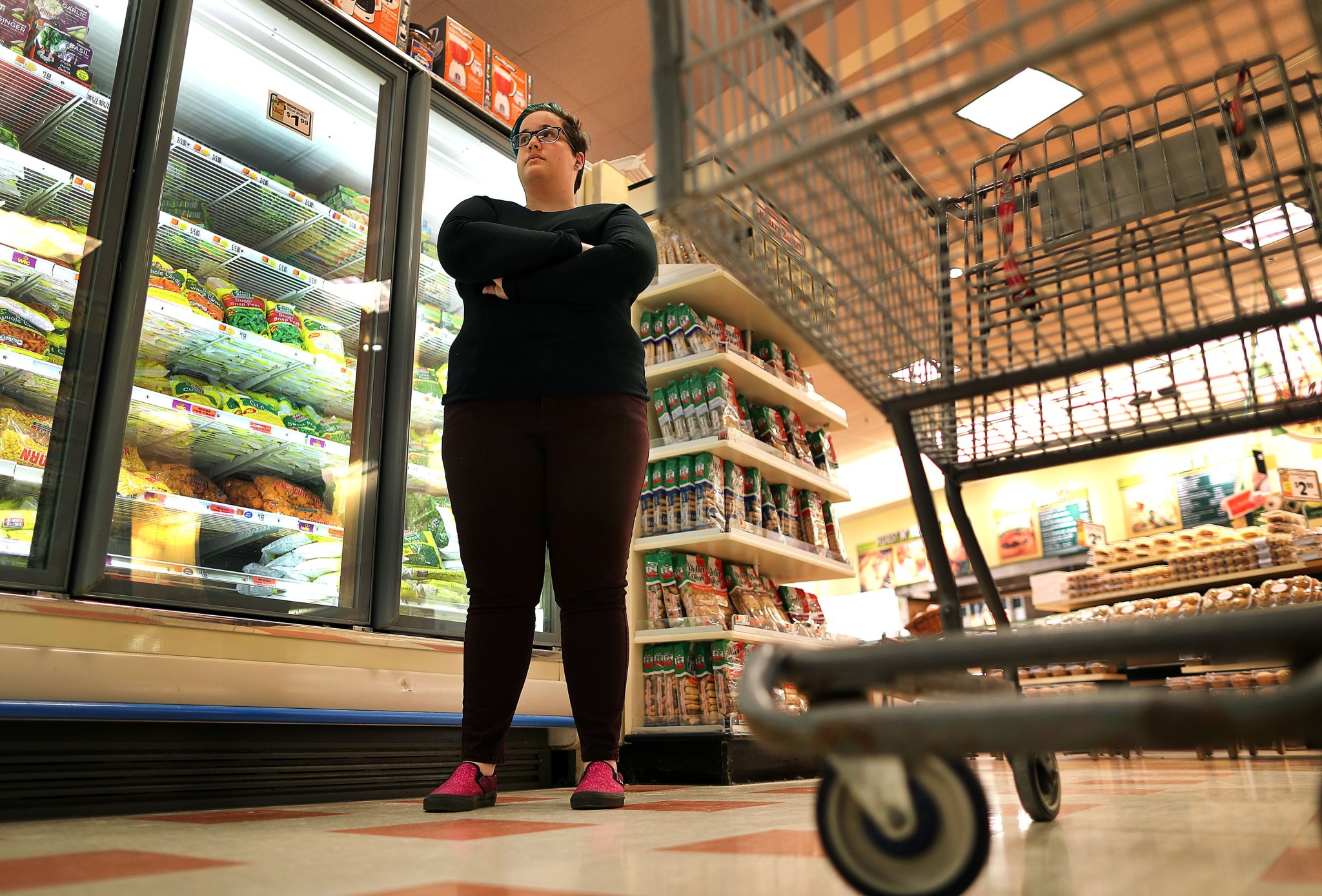
If you ask the average American, they’ll tell you the U.S. economy is on shaky ground. Job gains are weak, and the consumer price index (CPI) just increased again, with food prices on the steepest upward rollercoaster. This hard truth is echoed by SmartSense’s “Frozenomics” study of 1,000 U.S. adults (21+). Sixty-three percent (63%) of respondents say their financial situation has worsened over the past 12 months, and 65% report their grocery budgets have tightened. More than half — including 66% of Gen Z (respondents born 1997–2004) — are finding relief in an unlikely place: the frozen aisle.
A temperature check on generational frozen shopping habits
Gen Z is turning to frozen food for financial relief more than any other generation. In the past six months, 57% say they’ve bought more frozen food to cut costs, compared with just 30% of Boomers. Nearly eight in ten Gen Zers (77%) say their economic situation has worsened — making them the hardest hit generation — and 66% plan to buy even more frozen food moving forward if grocery prices continue to rise.
While Gen Z’s choice to put their budgets on ice reflects today’s climate, Boomers’ reasons for buying frozen foods are rooted in the past. A Cambridge University study from 2011 examines how frozen shifted from a luxury item to a household staple in post-World War II America. Back then, the convenience of “TV dinners,” was too great to pass up on — even though they were still viewed as a bit pricey. Today, SmartSense’s data shows that convenience still has older generations’ hearts. For Boomers, Gen X, and Millennials, longevity and convenience still rank as the highest reasons to purchase frozen food, but Gen Z is the only generation to put affordability first.
Yet Gen Zers are also the most skeptical about frozen food’s nutrition, quality, and safety. Seventy percent (70%) believe frozen food is less nutritious than fresh, and nearly half (47%) have stopped buying a brand after a recall. These young shoppers are buying frozen to stretch their budgets and prepare for future price spikes, but they don’t feel good about it. Brands should take note. Gen Z won’t always be strapped for cash…in fact, even though they are struggling now they’re poised to be the largest and wealthiest generation in a decade.
A PR meltdown in the frozen aisle
Decades of food safety data show that a single, isolated incident can tarnish an entire category. Take, the recently-infamous “radioactive shrimp” headlines: one product scare quickly morphed into suspicion of all frozen seafood — and even frozen foods in general. Frozen products are especially vulnerable because they carry clear branding and often stay in freezers for months; when a recall happens, consumers remember the package and the name. Fresh produce, by contrast, is usually unbranded and long gone before a recall hits. People may also not realize flash freezing preserves freshness and often involves fewer additives than canning. Frozen food isn’t less safe by nature, but its current brand image causes a lingering perception problem.
A cooler playbook on the road and at home
This is not to say frozen food brands face no safety issues. Recent headlines prove that, like any food, frozen items can be dangerous when mishandled at the farm, in the factory, on the road, at the warehouse, at the store or by the consumer. But Gen Z is clear about what they need to feel safe and stay loyal. Fifty-eight percent (58%) of respondents in this age group say they’d trust frozen food more if brands showed how they track temperatures, 54% want transparency into storage and shipping, and nearly half (46%) want clearer origin and ingredient labeling.
At the same time, unclear preparation guidance leaves risk at the last mile; confusing or incomplete cooking instructions can cause consumers to underheat products, assuming freezing alone makes food safe. Closing these gaps — by proving cold chain integrity and making preparation steps unmistakable — is key to preventing devastating safety breakdowns and the category-wide PR fallout that can follow a single recall.
A chilling gap in food safety policy
Over 15 years ago, the FSIS responded to outbreaks and consumer confusion with frozen, not-ready-to-eat (NRTE) entrées, first issuing validated cooking instruction guidelines, then reinforcing them after a string of recalls from 2009 to 2011. That work helped address hazards once food left the factory, but it only applied to FSIS-regulated products like meat and poultry. There is no FDA equivalent of these compliance guidelines for NRTE food products that the FDA regulates, though many, like seafood and vegetables, pose significant risk of causing foodborne illnesses.
Today, the FDA is focused further up the chain with the Food Safety Modernization Act (FSMA) and its new traceability rule, aimed at improving visibility from harvest to retail for high-risk foods. Yet, the rule won’t take effect until July 2028 and leaves big holes. Many frozen items aren’t included on the FDA’s Food Traceability List, oversight ends once products reach the store, and there’s no requirement to show shoppers what safety measures were taken.
For frozen food brands, that means trust can’t hinge on regulation alone. Proving cold-chain integrity, making preparation steps unmistakable, and communicating safety practices directly to consumers are critical to avoiding the next category-wide hit when an isolated recall goes viral. Taking these steps would let Gen Z — and every generation to follow — see the frozen aisle not as a gamble, but as a reliable lifeline in lean times and times of plenty.

The opinions expressed in Fortune.com commentary pieces are solely the views of their authors and do not necessarily reflect the opinions and beliefs of Fortune.