Business
COP30: The private sector’s make-or-break moment for a 1.5°C future

The UN Secretary-General’s message could not be clearer: humanity has overshot the 1.5°C limit – however we still have time to change the course of climate change. The Paris Agreement’s temperature goal reflects long-term change over decades, not individual years. What matters now is how fast and decisively we act to bring global temperatures back down and limit the impacts.
That recovery depends on one sector above all others: business enabled by governments that set clear, consistent rules and incentives that favour clean over fossil.
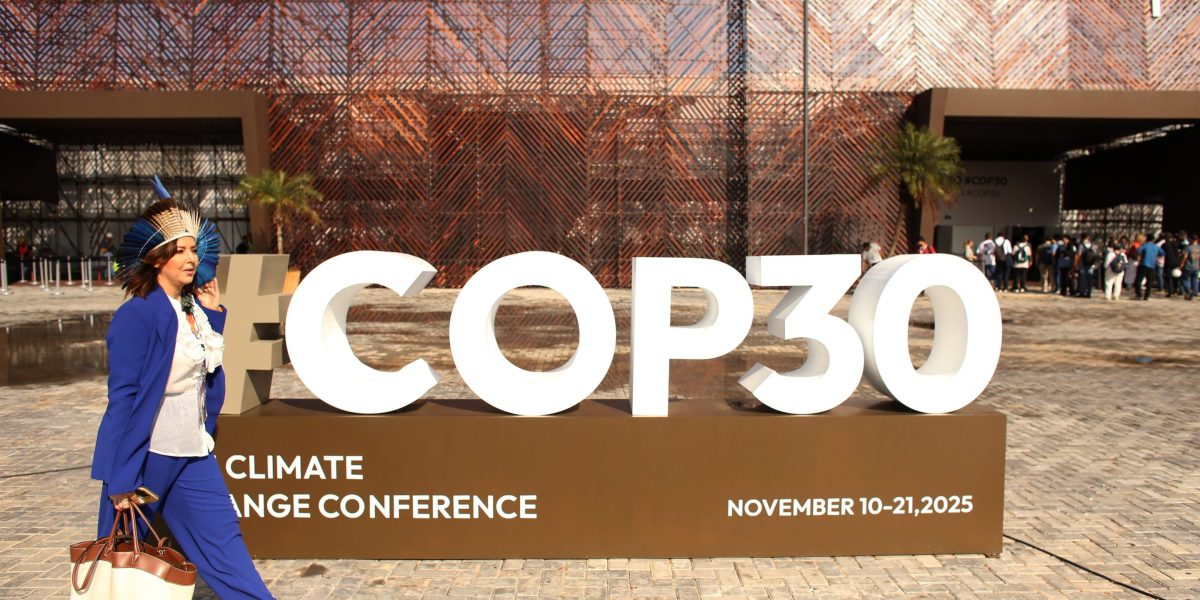
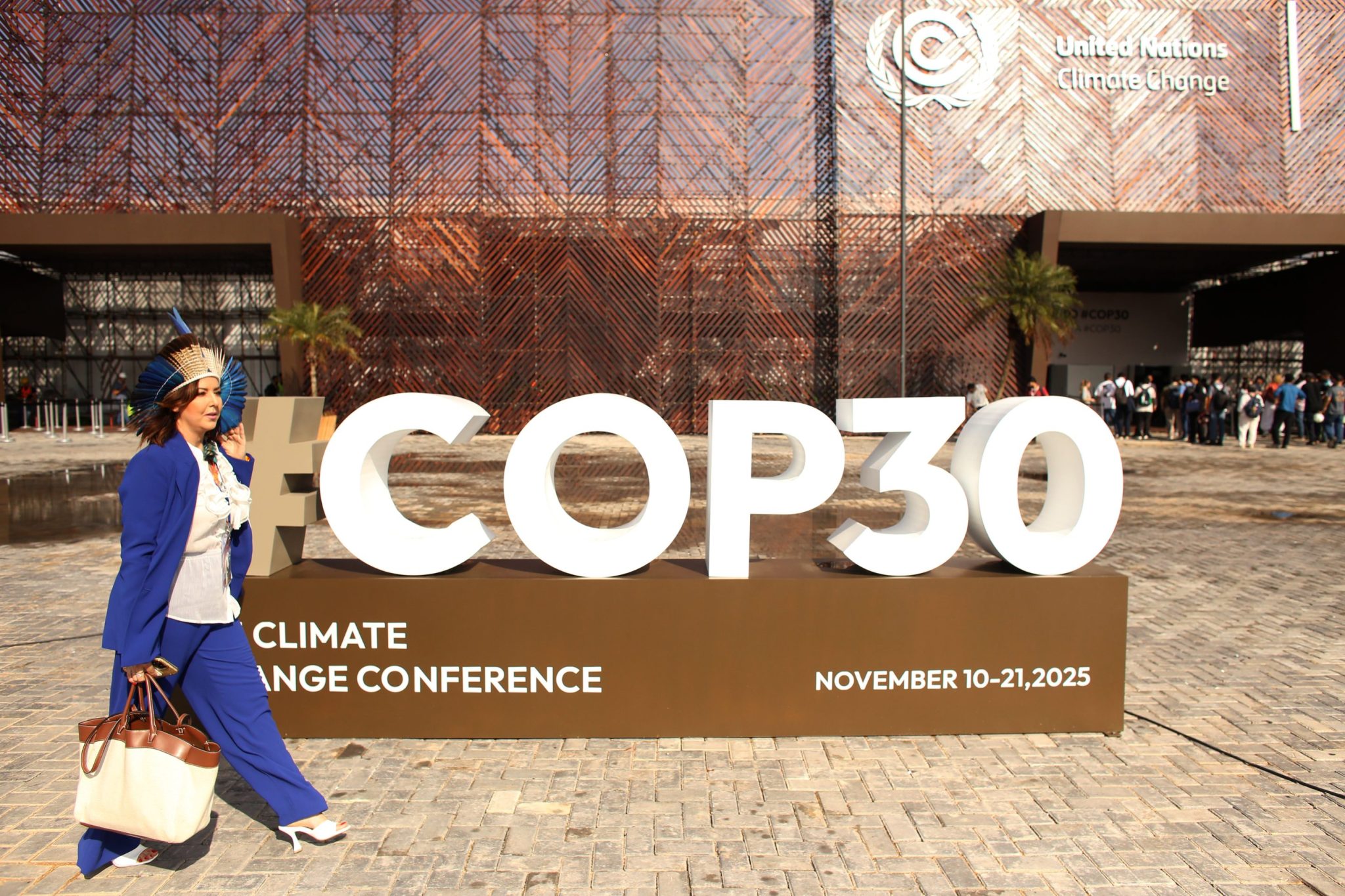
History will not remember who made the most pledges. It will remember who delivered it. For nearly a decade, companies have committed to alignment with the Paris Agreement. COP30 in Belém, Brazil, must be the moment when the private sector continues to move forward.
This year’s UN Global Compact CEO Study shows that most business leaders know what is required. 88% say that the business case for sustainability is stronger today than five years ago; 96% insist it must be embedded in corporate strategy and 99% plan to maintain or expand their environmental and social commitments. Sustainability is no longer peripheral: 86% of CEOs say it is already integrated into their core operations.
However, only 50% of CEOs feel confident communicating progress publicly. The challenge is not a lack of belief but rather caution considering the global political context. The world’s hottest year on record has made the cost of inaction painfully clear – climate and weather-related disasters caused an estimated USD 391 billion in global economic losses in 2024. Extreme weather is disrupting supply chains, agriculture and finance alike. Every year of delay drives up costs and narrows options.
At the same time, the means to accelerate progress have never been greater. The cost of renewable energy has fallen to historic lows and global clean-energy spending is surging — roughly $2 trillion in 2024, nearly twice fossil-fuel investment. Generative AI can now trace emissions, track supply chains and measure impact in real time. Consumers reward brands that match their values, while investors increasingly price climate risk into capital decisions. The economics of sustainability have flipped: action now creates value, while inaction destroys it.
Some companies are already proving what execution looks like.
Neoenergia incorporates sustainability as a strategic pillar guiding their long-term value creation. Their strategy promotes a cleaner, more resilient, and inclusive energy system for Brazil’s future. The Company anticipated the energy transition by pioneering renewables and investing in resilient, smart networks that accelerate electrification and reduce emissions. By expanding and digitising electricity networks, they are strengthening energy security and contributing to the development of a decarbonized future — one that promotes prosperity while safeguarding the planet.
At Ingka Group | IKEA, sustainability has become the business model itself. The company is electrifying delivery fleets, investing in renewable energy, and offering circular services to support customers in prolonging product life. The aim is to make sustainable living affordable for millions. These changes have reduced costs, deepened customer loyalty, and shown that climate responsibility and profitability can go hand in hand.According to the CEO Study, 92% of business leaders see global policy alignment as critical. The private sector must therefore work with governments — not around them — to harmonise standards, de-risk capital flows and create predictable markets for low-carbon goods and services.
Technology and skills are the other decisive levers. While 96% of CEOs view innovation as central to sustainability, only one in four rank it among their top strategic priorities. That must change. Digital tools, AI-driven analytics and scalable clean technologies can transform efficiency and transparency across value chains — but only if companies invest at scale and ensure equitable access for smaller enterprises and developing markets.

The transition to a net-zero, resilient economyis also a human one. Nearly every CEO surveyed identified workforce transformation as a priority. The net-zero economy will demand millions of new skills — from renewable energy engineering to sustainable finance and data management. Companies must invest now in upskilling and reskilling, ensuring the benefits of the green economy are shared widely. A climate-ready workforce is not charity; it is competitiveness.
The road to Belém offers business a choice. Coordinated acceleration — harmonised regulation, scaled investment and rapid workforce transformation — can deliver global progress at pace. Fragmented adoption — where firms move unevenly and guard short-term interests — will lock in instability and inequality.
The UN Secretary-General has been clear: 1.5°C remains within reach, but only if every lever of private-sector power — capital, innovation and influence — is applied decisively. The tools exist. The business case is proven. The public is watching.
At COP30, the world will not ask whether companies understand the challenge. It will ask whether they are delivering. The time for hesitation is over.
The opinions expressed in Fortune.com commentary pieces are solely the views of their authors and do not necessarily reflect the opinions and beliefs of Fortune.