Business
Progress but uneven: Energy transition reality check


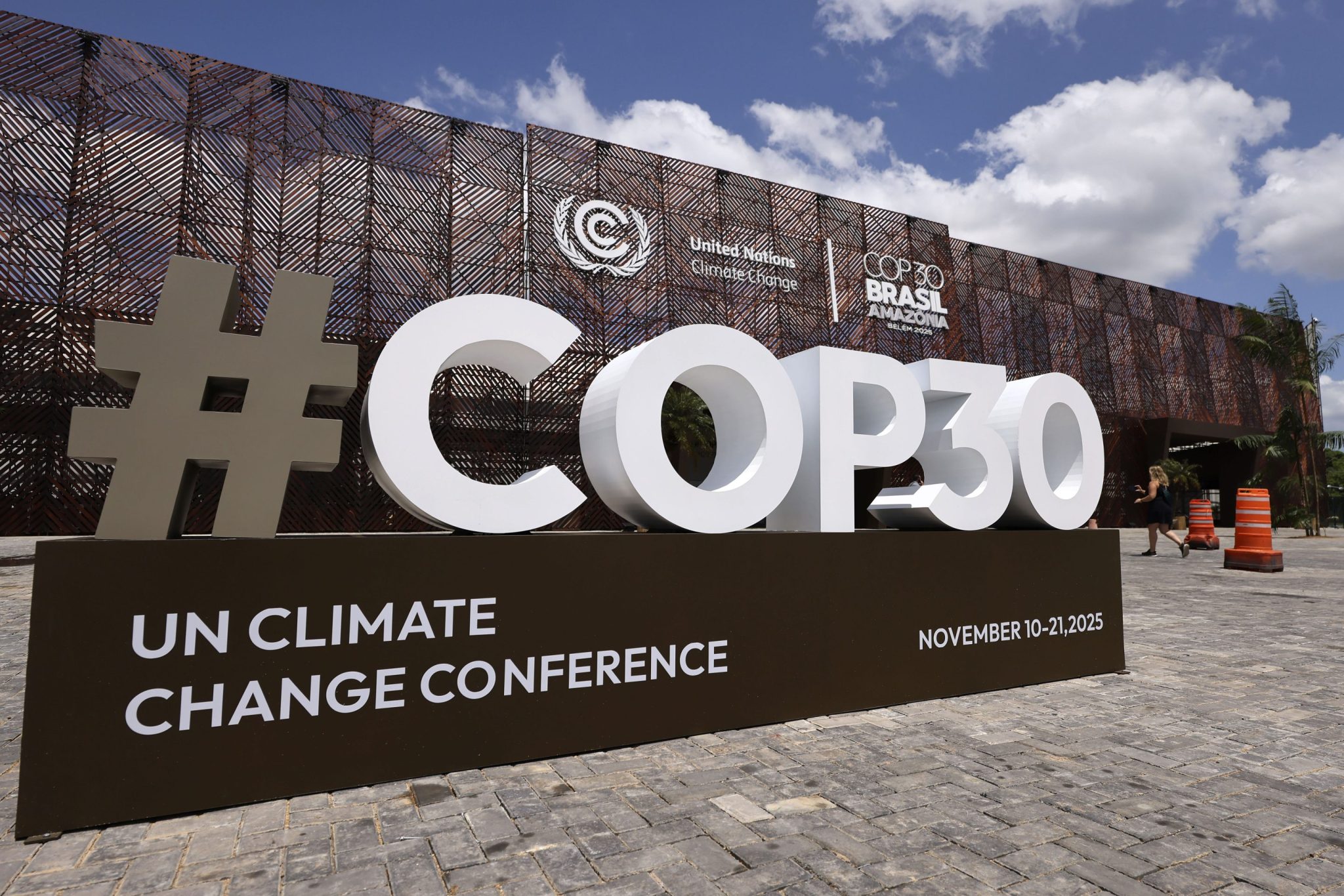
As COP30 kicks off in Belém, an inevitable question is where does the energy transition stand?
New McKinsey Global Institute research offers an answer, by examining the physical transformation at the heart of the transition.
We find that where we are is best characterized as a “tale of many transitions”. And therefore leaders need a detailed and nuanced understanding to plot a path forward—especially as innovation, geopolitics, policy shifts, and energy demand from data enters reshape the energy landscape.
Let’s begin with a birds-eye view. Progress has been better than many imagined, but also too slow to meet the goals of the Paris Agreement. By the end of 2024, on average about 13.5 percent of all the low-emissions technologies required for 2050 had been deployed. This was a few percentage points more than two years earlier. But it was also roughly half of what is needed to keep warming “well below” 2°C.
The devil is in the details. Huge unevenness of three sorts is at play here—the many transitions.
First, so far, some parts of the energy system have raced ahead on deployment, but others are stuck in first gear. In three of seven domains of the energy system, there is notable progress, often where emissions reduction, favorable economics and energy security goals converged.
For example, annual additions of low-emissions power capacity doubled between 2022 and 2024 to around 600 gigawatts. Momentum further strengthened in early 2025. At this pace, the world could plausibly reach a “cruising speed” of roughly 1,000 gigawatts per year before 2030. This would be well in line with what is needed to meet Paris-aligned goals. In the mobility domain, by mid-2025 about one in four new passenger cars sold globally was electric. And the supply of critical minerals has grown quickly. But in four other domains, namely buildings, carbon capture, hydrogen, and industry, the story is far less encouraging. There has, at least to date, been limited success in accelerating deployment, and the latter three have barely budged.
Second, progress is also uneven among regions. China is the world’s largest emitter but has simultaneously delivered about two-thirds of recent additions in solar and wind capacity, as well as of electric vehicles. And the role of other emerging economies is growing. In the first six months of 2025, India added 22 gigawatts of solar and wind power, more than the United States. This has been a new boost for deployment—at a time when the U.S. and EU have slowed down in some areas.
Third, prospects for the future are also uneven. In 2024, we cataloged 25 physical challenges related to innovation and deployment of low-emissions technologies. This year we find that there is a growing divide between challenges that were already considered easy and more difficult ones.
Easier challenges, including improving the range of passenger cars and electrifying low-temperature heat, are being solved. But many of the hardest ones—and they need to be addressed to cut about half the emissions of the energy system—are not. These include decarbonizing heavy industrial processes and deploying hydrogen efficiently. For example, only around 10 percent of the announced hydrogen pipeline reached final investment decision in 2024. And from 2024 to mid-2025, more than 50 hydrogen projects were canceled including those related to downstream industries, such as industry and fuels. The result is a wide gap between announcements on paper and the steel in the ground.

So, some doors seem to still be shut. But at the same time, others are swinging open, sometimes unexpectedly. Advances in some electrification-based technologies—most notably, battery chemistries and high-heat electrification—have pushed the frontier of the possible, moving these technologies into use cases like long-range trucking and decarbonizing cement. Similarly, clean firm power sources such as nuclear, geothermal, and gas power with carbon capture, are experiencing tailwinds both from policy and from rising demand from data centers.
What should leaders do when faced with this tale of many transitions?
Those parts of the energy system where real momentum exists clearly offer opportunities. But making more headway will take disciplined execution to maintain the pace and accelerate it where needed. Business leaders who anticipate the next constraint and position early to remove it gain competitive advantage.
On the demanding areas, where progress is stuck, continued innovation is the name of the game. This is not just innovation of individual low-emissions technologies, but also in how they work together, and how markets are designed to support their scaling. At the same time, businesses need to be agile. This is an ever-evolving game, and it may sometimes be the case that long-held preconceptions and approaches may have to be abandoned for new thinking.
Overall, to plot an affordable, reliable, competitive path to reducing emissions, leaders need take on board the fact that this transition is nuanced and dynamic. Building the muscle to embrace the complexity facing them will make them more effective.
The opinions expressed in Fortune.com commentary pieces are solely the views of their authors and do not necessarily reflect the opinions and beliefs of Fortune.