News
The One Way Travel Insurance Can Help During the Government Shutdown

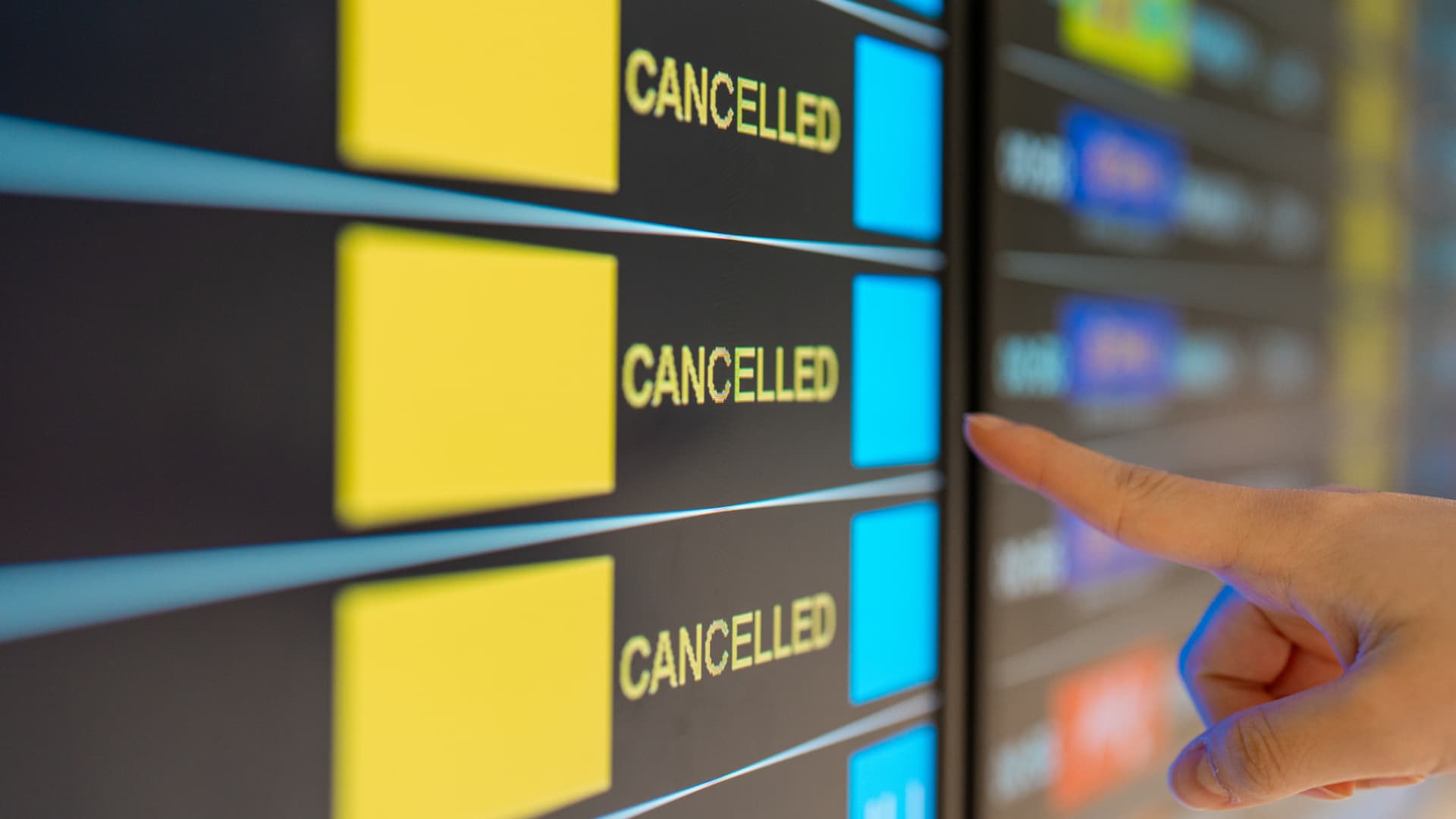
The government shutdown is wreaking havoc on U.S. travel. Essential airport workers, including air traffic controllers and TSA agents, have been working without pay since Oct. 1, leading to staffing shortages, delays and cancellations at airports nationwide.
On Friday, Transportation Secretary Sean Duffy cut flight capacity by roughly 10%, which is expected to ground up to 4,000 flights daily, including departures from Chicago’s O’Hare, Atlanta’s Hartsfield-Jackson, Los Angeles International, New York’s John F. Kennedy, and dozens of other major airports. Cancellations could climb to 20% if the shutdown continues, Duffy told Fox News.
While travel insurance can be a lifesaver, it usually doesn’t cover cancellations or delays due to known events, like military conflicts, named hurricanes and, yes, government shutdowns.
There is, however, one exception that can come in handy for travelers nervous that the ongoing stoppage will ruin their plans.
How travel insurance can help during the shutdown
If a flight is late or canceled, the airline must provide a written explanation. In some cases, it’s put down to a “common carrier issue” — a broad category that can include mechanical problems, inclement weather and staffing shortages.
Airlines are required to refund tickets for canceled flights, regardless of whether you have insurance or not. But if the shutdown results in a delay or cancellation that your airline attributes to a common carrier issue, your policy could cover incidentals at the airport as well as non-refundable deposits for hotel rooms, excursions and more.
“It’ll depend on how the airlines categorize any cancellations or delays,” Squaremouth spokesperson Lauren McCormick told CNBC Select via email. “Travelers should carefully review their policy’s trip delay and cancellation language, particularly regarding ‘common carrier’ disruptions.”
Shutdown travel tips
The benefits of the common carrier loophole are limited. If your flight is on time but you’re stuck in security because the TSA is understaffed, you’re on your own.

Travel insurance FAQs
Will travel insurance cover delays or cancellations related to the government shutdown?
Known events aren’t typically covered by travel insurance policies. However, if the airline attributes the interruption to a common carrier issue, your policy may reimburse you for non-refundable expenses, like hotel rooms or tours. Read the fine print of your policy to see what’s covered.
How much does travel insurance cost?
A basic travel insurance policy runs between 4% and 10% of your trip’s total nonrefundable costs, depending on your age, your destination, the duration of your trip and any add-ons you may choose. A Cancel For Any Reason policy can raise your premium by 40% to 50%.
Does Cancel For Any Reason insurance help during the government shutdown?
If you have a CFAR policy, you can still cancel your trip and receive up to 80% of your non-refundable expenses, even during the shutdown. But you usually need to cancel at least 48 hours before departure, which won’t help if your trip is scrapped a few hours before takeoff.
Subscribe to the CNBC Select Newsletter!
Money matters — so make the most of it. Get expert tips, strategies, news and everything else you need to maximize your money, right to your inbox. Sign up here.
Meet our experts
Why trust CNBC Select?
At CNBC Select, our mission is to provide our readers with high-quality service journalism and comprehensive consumer advice to help them make informed financial decisions. Every travel insurance article is based on rigorous reporting by our team of expert writers and editors. While CNBC Select earns a commission from affiliate partners on many offers and links, we create all our content without input from our commercial team or any outside third parties, and we pride ourselves on our journalistic standards and ethics.
Catch up on CNBC Select’s in-depth coverage of credit cards, banking and money, and follow us on TikTok, Facebook, Instagram and Twitter to stay up to date.
Editorial Note: Opinions, analyses, reviews or recommendations expressed in this article are those of the Select editorial staff’s alone, and have not been reviewed, approved or otherwise endorsed by any third party.