Business
Companies pour millions into security as threats against executives surge


Three back-to-back violent incidents in the space of 10 months have awakened a new reckoning in corporate security that is fundamentally altering the way companies protect their executives, data from a new Goldman Sachs Ayco report found.
The shocking New York City murder of UnitedHealthcare CEO Brian Thompson in December 2024 was followed in succession by a July Midtown Manhattan shooting that claimed the lives of two security guards and two executives at Blackstone and Rudin Management. Last month, a lone gunman allegedly shot and killed right-wing speaker Charlie Kirk at an event at a Utah college. The cascade effect of those events has led to a palpable shift in corporate security postures, with a flood of new independent threat assessments and protective measures.
Companies are layering in additional home security, personal security, and cybersecurity protections for CEOs and high-profile executives and board members. Goldman Sachs Ayco, the financial planning and wealth management affiliate of the bank, found the most common personal security measures are at least one bodyguard when an executive travels for business or is at a public engagement with a controversial figure in attendance or there are other unusual risks, and an armed chauffeur for commuting and travel. Mandatory private jet travel has long been common among high-profile CEOs, and companies are also leaning in on first-class air travel for executive teams, the survey of compensation professionals from 291 public and private companies found.
“Companies want to make sure executives are safe,” Jonathan Barber, head of comp and benefits at Goldman Sachs Ayco told Fortune. “We’re seeing this inching back in some cases this year to some of these benefits exceeding early 2000s levels.”
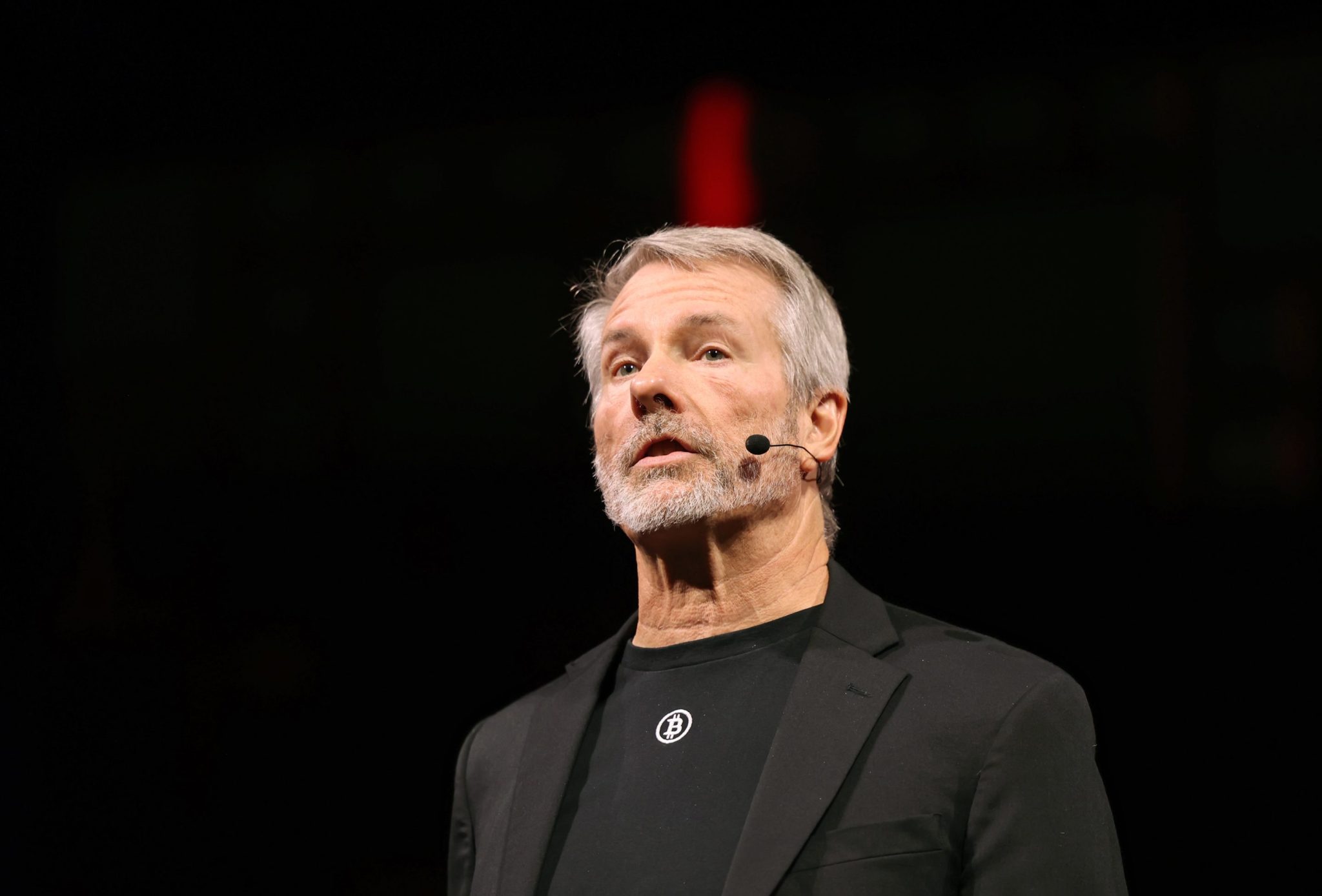
Strategy, formerly known as MicroStrategy, this month raised the annual cap on executive chairman Michael Saylor’s security program to $2 million from $1.4 million, the company told investors. Chipotle told investors this year that it provided personal security to CEO Scott Boatwright at the end of 2024 and early in 2025 “as a precautionary measure, in response to the highly publicized murder of a public company executive and generalized threatening public discourse,” the Chipotle board wrote in its most recent shareholder proxy report. Salesforce maintained a cap on CEO Marc Benioff’s security and aircraft perk amounts of $4.6 million for fiscal 2025 and 2026 to keep expenses level. Benioff covers amounts above that amount, the company said.
The 2025 Goldman survey, which polled 291 companies and is conducted every two years, found 27% of respondents now provide personal security for their CEOs, which represents a 59% increase in the share providing the benefit from two years ago. Cybersecurity protection more than tripled across all executive tiers since 2021, from 10% to more than 30% for CEOs. The survey marked an acceleration of these protective measures—technically considered perks—noting that 24% of the respondents added the new benefits in the past 24 months, which is triple the 20-year average of 8%.
Personal security, added by 10% of respondents, was the second-most cited consideration for future additions. More than half of the companies surveyed cited security as the primary underlying reason for providing personal use of corporate jet and chauffeur services. Barber characterized the shift as a significant reversal from the cost-cutting approach that has dominated executive benefits and perquisites since the early 2000s and the 2008 financial crisis. Those periods were followed by regulatory changes that fueled more specific perquisite and pay disclosures by companies, and the advent of shareholder say-on-pay votes on executive comp programs. The combination led to what Barber said was the highest percentage of eliminations of security perks, but 2025 levels are clocking the early aughts, he said. Security is also a perquisite that is palatable to shareholders, he added.
“Security is an easy one—it’s an obvious safety issue,” said Barber.
In the two months after Thompson’s death allegedly at the hands of accused shooter Luigi Mangione, protection company Allied Universal’s embedded security business—round-the-clock protection for execs by armed guards—grew 30%, said Glen Kucera, president of enhanced protection services. Meanwhile, ad hoc security when an executive travels skyrocketed 300%, Kucera told Fortune.
“The world for executive protection changed on December 4,” Kucera said, citing the date of Thompson’s assassination allegedly at the hands of Mangione. In the weeks after, decks of cards with other CEOs and executives circulated on social media, which heightened the threat climate as well as Magnione’s public reception as quasi vigilante, Kucera said.

Tech companies reported the highest threat levels in 2025, according to a September World Security report from Allied Universal, based on a survey of 620 chief security officers. Some 66% of tech firms reported increased threats of violence toward executives compared to a 46% average in the U.S. among all firms. Kucera said these firms are facing a more acute threat landscape given the high profile nature of the firms, and because they’re known to be significantly profitable. Plus, social media platforms are a “lifeline for a lot of people,” and removal from platforms or other actions creates strong animosity that can lead to greater agitation, he said.
According to Allied’s findings, tech companies are tied with pharmaceutical firms in providing executive protection at 40%, while 31% also provide protection for executives’ families. Roughly 90% of chief security officers at tech firms say their companies were targeted by misinformation or disinformation campaigns, and 63% said misinformation influenced more than half of the threats lobbed at the companies.
The difference now versus in past years isn’t just in the scale but the sophistication of the upcoming threats pelted at companies and executives, said Matt Dumpert, a managing director who leads Kroll’s enterprise security risk practice. Artificial intelligence has made it easier for disgruntled customers, employees, and those wanting to do harm to target companies and spread potentially dangerous information about location, activities, and personal info.
“The tools to collect background information, to create targeting dossiers against executives, to learn about their habits, where their families vacation—all of these things are readily accessible to adversaries,” said Dumpert “What used to require sophistication can now happen very quickly in a highly automated way.”
According to Kucera, the new playbook includes home security assessments, armored drivers and vehicles, trained dogs for explosive detection, and advanced cyber protective measures.
“Each one of these events feeds the awareness that this could happen anywhere,” said Kucera.