Business
Even the author of ‘Trumponomics’ admits ‘tariffs are taxes—and taxes are bad’

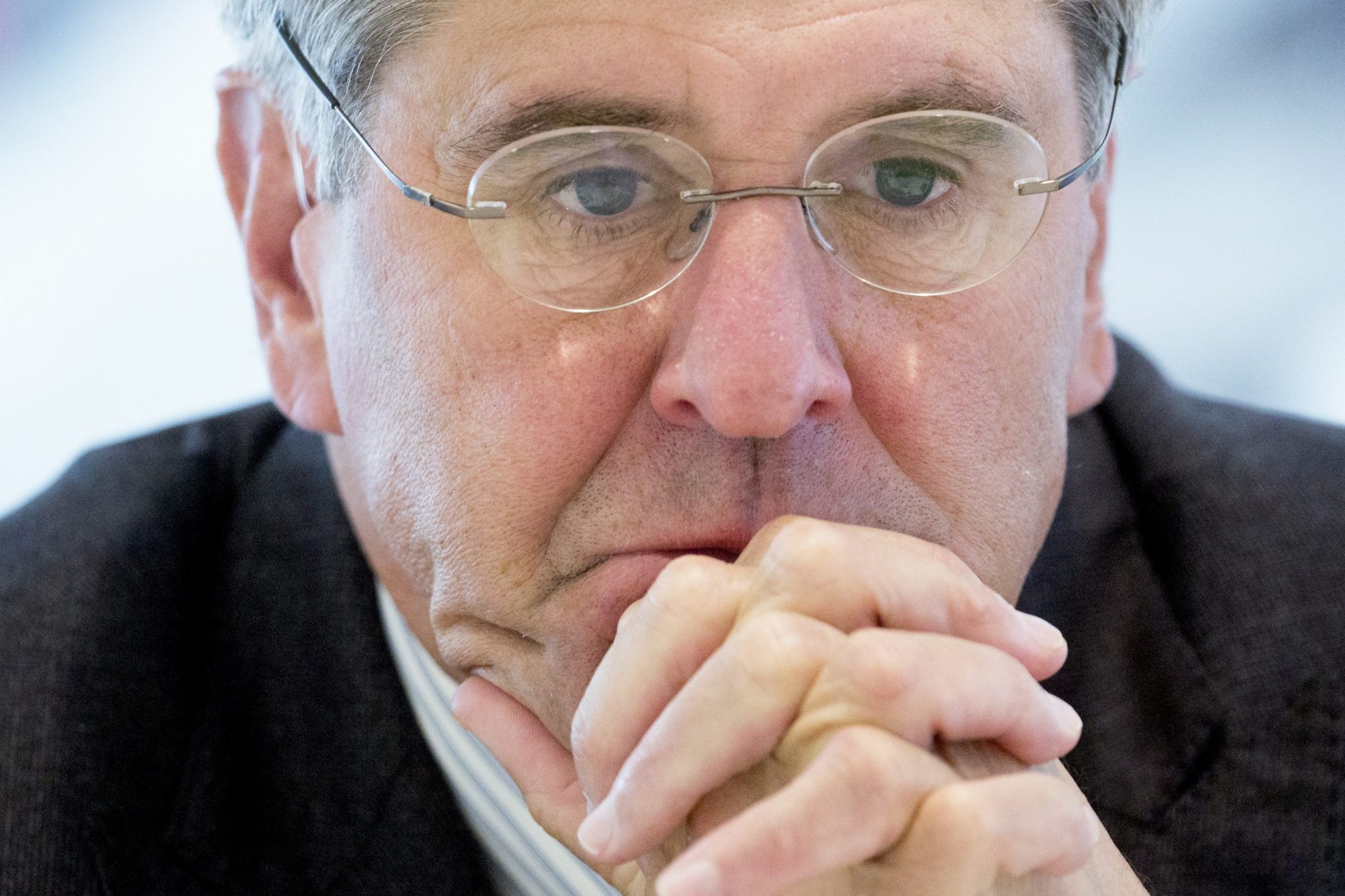
Stephen Moore helped build the economic case for Donald Trump. Now, he’s tearing a piece of it down. In an interview with Fortune, the former presidential economic advisor and the economist who literally wrote the book on Trumponomics said Trump’s tariffs have hurt GDP and pushed prices higher: “Tariffs are taxes—and taxes are bad.”
Moore, a Heritage Foundation economist, explained the import taxes have directly increased costs for U.S. businesses and consumers by “clobbering” medium-sized manufacturers. He said he noticed an article in the Wall Street Journal that the single fastest growth in commodity prices right now is coffee.
“Well, guess what? We put a 50% tariff on coffee,” Moore said. “So, yeah, the coffee price went up.”
Independent data suggests tariffs are already pressuring prices and manufacturing. In a May 2025 New York Fed survey, many exposed firms reported passing tariff costs to customers, and about a third of manufacturers said they fully passed on those costs. Meanwhile, the Yale Budget Lab found new tariffs have led to a 2.3% increase in the overall U.S. price level and a $3,800 loss in purchasing power per household (in 2024 dollars). On the factory front, September’s ISM Manufacturing PMI came in at 49.1, marking a seventh straight month of contraction, and some manufacturers are now attaching 20% surcharges to offset tariff-induced input price increases.
At the same time, however, many of the recession predictions economists made earlier this year have not yet come to pass. When Trump imposed sweeping new tariffs in April, mainstream economic forecasts warned of disaster: Goldman Sachs put the odds of a recession at 45% while Nobel laureate Paul Krugman wrote “a recession seems likely” following “the biggest trade shock in history” (referring to the stock market rout following Trump’s “Liberation Day” tariffs announcement). Some analysts went as far as to warn of stagflation and supply-chain collapse. But nine months into the trade war, the U.S. economy—while uneven—has not fallen into the kind of crisis many expected.
“The prophets of doom were, once again, completely wrong,” Moore said. “The Biden economists who said Trump would destroy the economy have all been contradicted by real world events.”
However, Moore credits this to other parts of the Trump agenda—energy expansion, deregulation, and tax cuts—calling them “net positive” and arguing they outweighed the drag from tariffs. When pressed on whether tariffs were worth the economic hit, Moore answered simply: “No.”
He framed his break on trade as a targeted economic correction, not a political departure.
“I’m a big fan of Donald Trump,” he said, while still labeling tariffs a costly mistake.
Moore’s new concern: Trump is naming prices—and moving markets
Tariffs weren’t the only red flag Moore raised. Asked about Trump’s increasingly direct interventions in pricing, Moore hesitated, then acknowledged concern.

Trump declared Thursday that he will reduce the cost of Ozempic from $1,300 to $150, triggering a selloff in Novo Nordisk and Eli Lilly stocks during Friday trading. Earlier that day, he also claimed he “worked [his] magic” to make a deal to bring down beef prices.
Does that kind of intervention worry Moore, a famously libertarian economist?
“A little bit, yeah,” he said. “That’s not the way markets are supposed to work.”
The direct price interventions are part of what some critics have warned is a broader shift in Trump’s economic approach, which seems to have less characteristics of free-market capitalism and more of a system of state intervention that resembles “state capitalism.”
As Wall Street Journal columnist Greg Ip noted, Trump is extending political control into the private sector in ways that go beyond crisis-era bailouts or targeted industrial policy. Trump has repeatedly singled out CEOs, pressured companies over business decisions, and used federal power to influence industries, from steel and autos to tech and media.
His administration has also demanded equity stakes, “golden shares,” and revenue kickbacks from private firms in exchange for market access or approvals, raising concerns among critics about political favoritism and government intrusion into corporate strategy.
Moore made clear that price declarations are not part of traditional conservative economic philosophy. He emphasized that predictable policy—not ad hoc deals—is what gives businesses confidence to invest.
“The best policy is always to have a system that benefits everyone,” he said. “It shouldn’t pick winners and losers.”