Business
The protein craze is heavy metal, literally: bombshell investigation finds unsafe lead amounts in two-thirds of top powders for sale

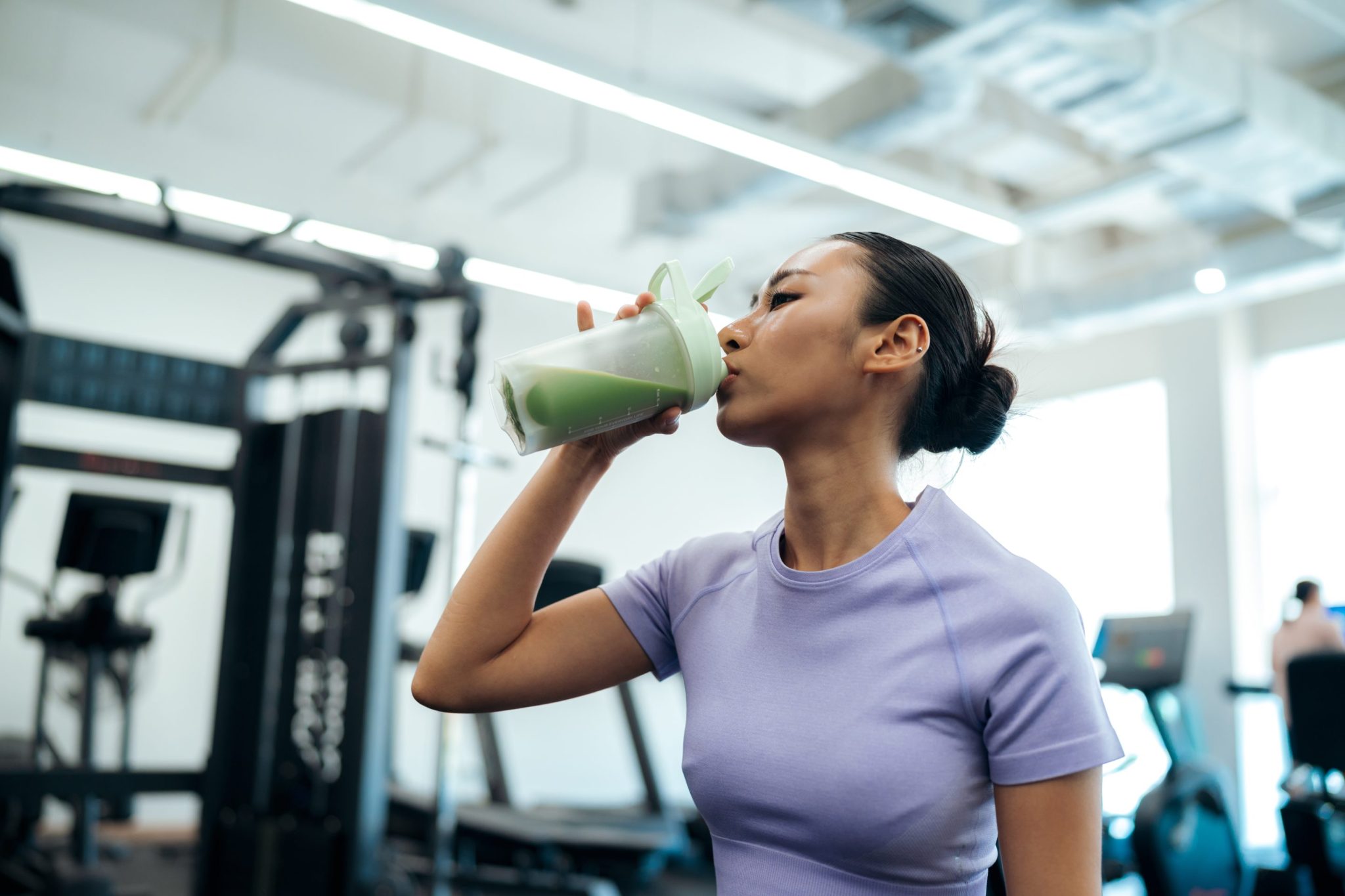
You can never have too much of a good thing, the saying goes. For months now, Americans treated protein that way. What started as a fringe supplement used mostly by “gym bros and fitness-obsessed teens,” as Consumer Reports journalist Paris Martineau put it, has transformed into a full-blown mass-market wellness movement. There’s protein pastas, protein cereals, protein sodas, and even Starbucks protein cold foam.
But an extensive investigation by Consumer Reports (CR) published on Oct. 14 reveals an inconvenient truth: much of this protein comes contaminated with toxic heavy metals.
Martineau led CR’s new round of testing on protein powders and shakes, the publication’s first since 2010. Back then, CR found “concerning levels of heavy metals,” but the category still felt niche. Now, she told Fortune, “everybody, seemingly, is taking protein powder, and this kind of protein mania has emerged where people seem to believe that more protein can always be better.”
That shift was precisely why CR decided to look again.
“We wanted to take a look at this industry again, now that it has blown up so much,” Martineau said. “And surprise, surprise, we found out that it seems like the risks have been growing right alongside the industry.”
‘We advise against daily use’
CR tested 23 of the most popular protein powders and ready-to-drink shakes sold in the U.S. The results were unsettling: more than two-thirds of the products contained more lead in a single serving than CR’s food safety experts say is safe to consume in a day. Some had 10 times that amount. One powder—Naked Nutrition’s Vegan Mass Gainer—contained 7.7 micrograms of lead per serving, which is 1,572% of CR’s level of concern. Another top seller, Huel Black Edition – a favorite among tech bros – registered 6.3 micrograms of lead, or 1,288% of CR’s limit.
CR’s chemist Tunde Akinleye, who led the testing, concluded in the report: “We advise against daily use for most protein powders, since many have high levels of heavy metals and none are necessary to hit your protein goals.”
Martineau herself was taken aback not just by the levels, but by the sheer consistency of contamination.
“I was surprised that protein powders contain detectable and concerning amounts of lead,” she said. “I was surprised that more than two-thirds of the products we tested had high levels of lead.”
What concerned her most was how these products are used: unlike candy or hot chocolate, other products CR has tested, “the core user base often takes these products daily, or multiple times a day, which is a real risk.”

Even worse, the contamination has increased, not improved, since CR’s earlier testing. “We found higher levels of lead and a higher average level of lead,” Martineau explained. “Even… the worst product we tested this time contained twice as much lead as the worst product we tested 15 years ago.” She said that you might intuitively expect that safety standards would evolve as an industry matures, “but it’s not always the case.”
Many readers, she said, assumed contamination must come from negligent manufacturing, but the truth is more complicated. The problem starts at the source: plant-based protein powders were overwhelmingly the most contaminated category, with the average lead in these products about nine times the amount they found in dairy proteins like whey.
Why? Plants act like sponges, Martineau explained. They absorb whatever is in the environment around them; and if there’s lead of cadmium in the soil, they’ll suck those metals up too.
CR found that contamination can also intensify during processing.
“Protein supplements are highly processed food,” Martineau explained. She emphasized she wasn’t being ideological about “processed” as a buzzword, just factual: machines isolate and process the pea plant over many steps to convert the plant into a powder.
The state of regulation
If heavy metals in food sound illegal, that’s another widespread assumption Martineau dismantled during her reporting.
The state of regulation for the protein powder industry was one of the things that “really shocked” her. Since protein powders are considered dietary supplements, they usually operate in a regulatory gray area with limited oversight before they go on the market.
There is no federal limit for how much lead is allowed in a protein powder. Companies are expected to self-regulate, and many don’t disclose any testing at all. The FDA does not approve supplements before they’re sold: “a strange setup,” Martineau said.
How strange? The FDA inspected just 600 of the 12,000 registered supplement manufacturers last year. Only 90 of those inspections were foreign plants, even though much of the U.S. supplement supply chain runs through overseas factories.
This regulatory vacuum leaves consumers blind. Some brands point to NSF safety certifications as proof of purity, but CR notes that NSF allows 10 micrograms of lead per day—20 times CR’s limit of 0.5 micrograms.
“CR takes a really conservative approach… there’s no known safe amount of lead,” Martineau said. She pointed out that some companies can produce products that have really low levels of lead and more should do that, “if not all.”
Even as the science unfolds, Martineau was staunch on one point: people do not need protein powder.
“Many people don’t need as much protein as they think they do,” Martineau said. “Unless you’re kind of in special groups—specific types of athletes, people who could be pregnant, older adults—you probably only need 0.8 grams of protein per kilogram of body weight per day… which is really easy to get by just eating whole foods.”
Harvard Health agrees that the recommended amount of protein each day is just 0.8 grams per kilo of body weight. That means a 140-pound adult only needs about 53 grams of protein per day, an amount easily reached with a cup of Greek yogurt and a chicken breast, or a serving of tofu with beans.
The RDA isn’t a target to exceed, but rather the minimum needed to avoid deficiency, and most Americans surpass it without trying: on average, protein already makes up about 16% of daily calories in the U.S. diet, above the recommended 10%.
The problem, she noted, is cultural: “We basically have this kind of health halo around protein.”
Protein has become a branding tool—an excuse to turn processed foods into wellness objects.
“Slapping protein on something does not make it a shortcut to health,” she said. “The unsexy advice is actually a shortcut to health—eat whole foods—but that’s way less fun than protein-maxxing.”