Business
American distilled spirits are becoming a high-profile target for retaliation amid a costly cold shoulder from Canada


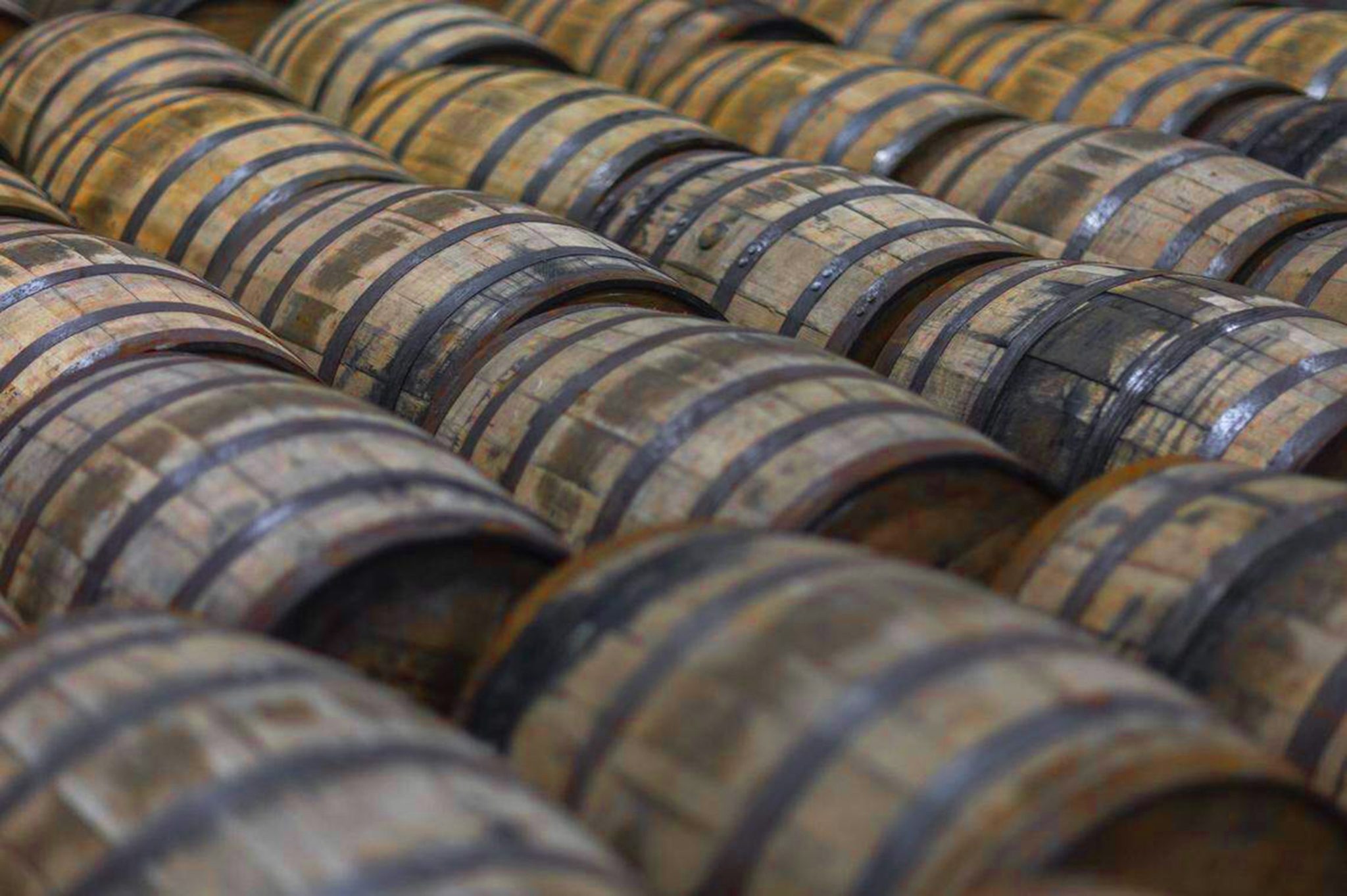
American distillers have gotten a costly cold shoulder from Canada, where their exports plunged 85% earlier this year — topping broad declines in key international markets amid global trade tensions, a spirits industry group said Monday.
Even a thaw in trade relations may not shake this hangover right away.
“Even though things have eased up, we still are not back on the shelf in Canada,” said Kentucky craft distiller Tom Bard. “Probably won’t be for a good long while.”
The majority of Canadian provinces continue to ban American spirits from shelves, though Canada removed its retaliatory tariff on the products weeks ago, the Distilled Spirits Council of the United States said. There’s another nagging concern — that consumer reaction to the trade conflicts could curb the international thirst for American spirits in key markets.
Overall exports of American spirits fell 9% in the second quarter of 2025 compared to a year ago, the council said in its new report. Sharp declines occurred in other crucial markets — the European Union, United Kingdom and Japan, it said. That comes on the heels of a banner year for U.S. spirits exports in 2024, the council said. Total first-quarter exports in 2025 edged up by 1% from a year ago.
In the ultracompetitive spirits world, the sudden drop-off is a dispiriting development for U.S. distillers.
“There’s a growing concern that our international consumers are increasingly opting for domestically produced spirits or imports from countries other than the U.S., signaling a shift away from our great American spirits brands,” Chris Swonger, the council’s CEO, said Monday in a release.
Canada remains the only key trading partner that retaliated against U.S. spirits in the latest rounds of trade conflicts spurred by President Donald Trump’s tariff policies. The president maintains that open trade cost the U.S. millions of factory jobs and that tariffs are the path to American-made prosperity.
But American distilled spirits have been a high-profile target for retaliation.
Trump’s first-term tariffs on European steel and aluminum spurred the EU to retaliate with a tariff that caused American whiskey exports to the EU to plunge, costing distillers more than $100 million in revenue from 2018 to 2021, the council has said. Once the tariff was suspended, EU sales rebounded for American distillers — until the latest tensions resurfaced in the first year of Trump’s second term.

The Distilled Spirits Council is pressing for free-flowing trade for distilled spirits with zero-for-zero tariffs with key markets, saying it would give American distillers the certainty they need.
Global markets are increasingly vital for producers of American whiskey — which includes bourbon, Tennessee whiskey and rye whiskey. The sector faces a supply-and-demand crunch in the U.S., where a sales slowdown is coinciding with massive stockpiles of whiskey, the council said.
“With the slowdown in the U.S. market, it’s more important than ever for American distillers to have reliable access to international markets,” Swonger said. “Until these trade issues are fully resolved, many distillers are remaining on the sidelines, fearful that without a permanent return to zero-for-zero tariffs, they could once again face retaliatory tariffs. They simply don’t want to risk jeopardizing the investments they’d need to make to reestablish their presence abroad.”
The most dramatic quarterly drop off in exports occurred in Canada, where U.S. spirits exports fell below $10 million amid the 85% plunge in the April-through-June quarter, the report showed.
Elsewhere, exports of American spirits to the European Union — the U.S. industry’s largest export market — fell 12% in the second quarter, the council said. Exports to the United Kingdom dropped 29% and exports to Japan decreased 23%, it said.
The pain was felt across a range of spirits categories, with quarterly declines of 13% for American whiskey, 14% for vodka, 15% for cordials and 12% for brandy, it said.
The declines were softened somewhat by surging sales to other countries — including Mexico, Australia, Brazil, Singapore and South Korea, the council said.
Distilled spirits were exported from 43 states last year, with Tennessee and Kentucky ranking first and second, respectively, the report said. Texas was third, followed by Florida and Indiana.
Large and small producers alike are feeling the pinch from trade conflicts.
In August, Brown-Forman Corp. reported a 3% drop in first-quarter net sales, but company CEO Lawson Whiting said it is positioned for “resilient results in the face of persistent headwinds.” It posted double-digit net sales drops in Germany and the United Kingdom and a nearly 60% decline in Canada. Brown-Forman produces such brands as Jack Daniel’s Tennessee Whiskey and Woodford Reserve bourbon.
But large distillers possess the capital and market reach to ride out disruptions caused by trade disputes — built-in luxuries that most small producers don’t have.
For Bard, the trade tensions abruptly halted his momentum in securing and expanding his foothold in Canada. He and his wife, Kim, own The Bard Distillery in western Kentucky. Their brands include Muhlenberg and Cinder & Smoke bourbons.
At the start of 2025, their products were sold in British Columbia and Alberta, and they were in talks to expand to other Canadian provinces. The plan was to ship more than 1,000 cases — mostly bourbon along with flavored whiskeys and cream liqueurs — north of the border this year, perhaps turning their Canadian business into 15% to 20% of overall sales in 2025.
It was an ambitious plan for a small distiller, but it evaporated amid the trade conflict and Canadian backlash to Trump’s repeated comments that their country should be the 51st U.S. state.
The Bards haven’t been able to offset those losses in the U.S. They’re in the early stages of trying to break into other countries, he said, but that takes time. In the meantime, they’ve left two production jobs unfilled, mostly because of lost revenue from Canada, he said.
Reclaiming lost market share is never easy and he’ll have to “start from square one,” Tom Bard said.
“I would say it will be next year and we will have to physically go up there and spend a lot of time trying to get back on the shelf,” he said.